Celebrating the Artistry of Frederic Church
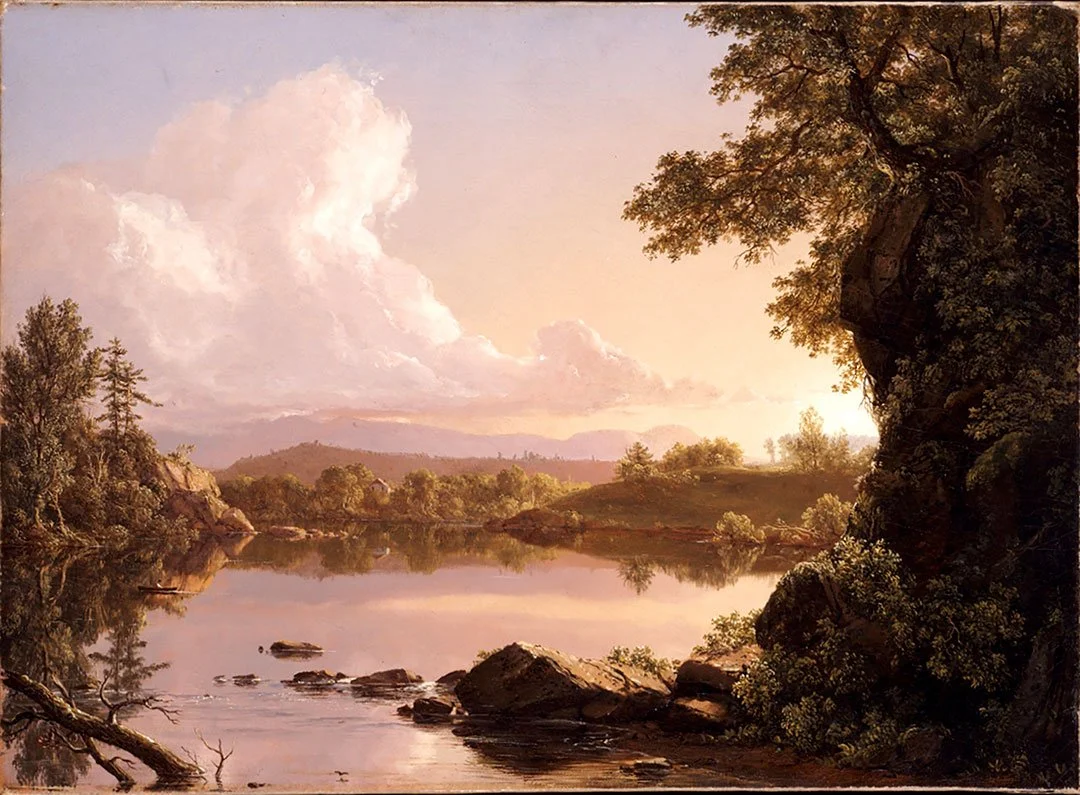
Scene on Catskill Creek is an early painting by Frederic Church that can be seen at the Washington County Museum of Fine Arts.
At the peak of his artistic talents, American landscape painter Frederic Church was one of the most influential and popular painters in the United States. To celebrate his work and the 200th anniversary of his birth, the Washington County Museum of Fine Arts is presenting Kindred Spirits: Artists in the Tenth Street Studio Building, which, rather than presenting Church as a solitary genius, reveals him as a catalyst for connection.
The exhibition coincides with a year-long celebration organized by Olana, the New York State historic site that encompasses Church’s home and studio in the Hudson Valley. It runs through January 3, 2027.
The WCMFA exhibit is one of dozens of events planned by museums worldwide exploring the artist’s enduring impact. While many projects and exhibitions focus on Church’s monumental paintings, Kindred Spirits tells a broader story — one centered on collaboration, mentorship, and the vibrant network of artists who lived and worked alongside him. The exhibit is built around key works in the museum’s collection, including Church’s painting, Scene on the Catskill Creek.
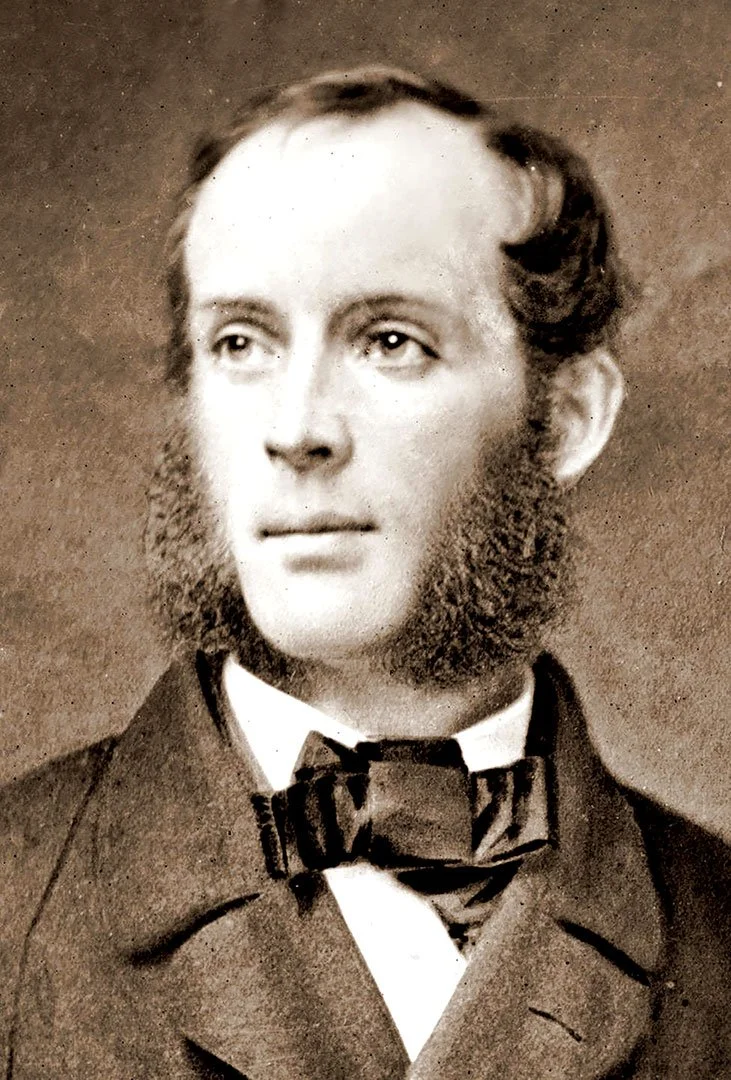
At the center of the exhibit’s story is the Tenth Street Studio Building, completed in 1857 in New York City at a time when artists struggled to find suitable working spaces. Painters often labored in cramped attic rooms with poor light and little professional visibility. Recognizing both the artistic and commercial needs of a growing creative class, developer James Boorman Johnston and architect Richard Morris Hunt designed a revolutionary solution: the nation’s first purpose-built studio building to provide artists with practical workspace.
New York had become the center of the nation’s art world, and the Tenth Street Studio Building quickly emerged as its creative nucleus. Wealthy patrons attended receptions, critics visited studios, and curious audiences experienced art in immersive settings unlike anything previously available in the United States. Artists not only painted there — they built careers, forged friendships, and shaped the future of American culture.
Church was among the building’s most influential tenants. His success attracted an extraordinary community that included Heade, Albert Bierstadt, Sanford Robinson Gifford, and later Winslow Homer. Together, these artists transformed the building into what might be called the headquarters of the Hudson River School.
Visitors will also discover how artists at Tenth Street pioneered new ways of presenting art. Studios doubled as theatrical exhibition spaces, where dramatic lighting, elaborate frames, and carefully staged interiors transformed viewing paintings into cultural events. These “Great Picture Exhibitions” drew crowds that lined city streets, turning artists into public figures and redefining how audiences engaged with art.
As part of the global Frederic Church 200 initiative, the Washington County Museum of Fine Arts invites visitors to experience art as Church himself understood it: not as an isolated endeavor, but as a shared pursuit shaped by dialogue, friendship, and collective imagination.
Born in Hartford, Connecticut, Church was best known for painting large landscapes, often depicting mountains, waterfalls, and sunsets. Church’s paintings put an emphasis on realistic detail, dramatic light, and panoramic views. He debuted some of his major works in single-painting exhibitions to a paying and often enthralled audience in New York City. In his prime, he was one of the most famous painters in the United States.