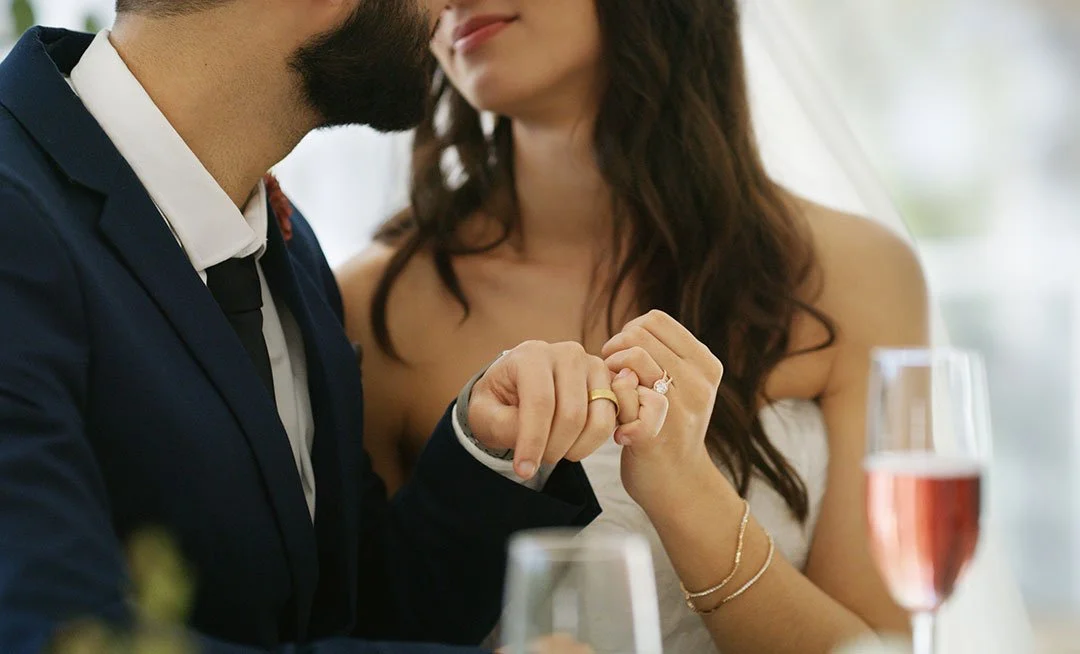
A wedding brings many customs into play, from a bridal shower to tossing the bouquet. Have you ever wondered how some of these practices came into being? Following are some answers.
TYING THE KNOT is a phrase found in many cultures, including Celtic and Hindu. The couple’s hands were literally tied together to symbolize their commitment to one another and their new bond as a married couple.
THE WEDDING RING has ties to ancient Rome when metal was first produced and craftsmen ventured into jewelry making. A wedding ring is placed on the left hand because it has an artery running straight to the heart. Diamond wedding rings became popular in 1477 when Prince Maximillion gave his bride, Mary of Burgundy, a large sparkly engagement ring.
BRIDAL SHOWERS are an offshoot of the practice of doweries and is believed to have started in Holland. As legend has it, a young woman wanted to marry a poor Dutch miller, but daddy put his foot down, refusing to provide a dowery, so the community banded together and “showered” the young woman with household items so that she could marry her true love.

MATCHING BRIDESMAID DRESSES is another tradition going back to Roman times and the fear of evil spirits. Folks believed spirits would show up at the wedding and attempt to curse the couple. To confuse them about which woman was the bride, the bridesmaids dressed like her to act as decoys. Today, it’s just the bridesmaids that traditionally all dress alike. Likewise, a wedding veil was worn by the bride to disguise herself from the nasty spirits.
CHOOSING THE WEDDING DATE for many Asian couples involves considering a date that will bring harmony to the couple. Consulting a matchmaker and figuring in the birthdates and birth signs of the couple leads to picking the date.
KEEPING RAIN AWAY on your wedding day is accomplished through an old southern tradition called “bury the bourbon.” Exactly a month before the wedding date, plant a full bottle of bourbon upside down at the ceremony site.
POPULAR MONTHS to tie the knot are usually May and June when spring fills the air. In Roman times, June was often selected because the month is named for Juno, the goddess of marriage. Historians tell us that England’s Queen Victoria shunned the idea of May and even forbid her children from marrying in May because of the superstition, “Marry in May and Rue the Day.” The latest data says that in addition to May and June, September and October are fast becoming popular.
BRIDAL BOUQUETS have come a long way from ancient Greece and Rome when they were made up of garlic, dill and other herbs to ward off evil spirits. In 1840 when Britain’s Queen Victoria married Prince Albert, a tradition of carrying a favorite flower took hold. She carried snowdrops, the prince’s preference.
SOMETHING OLD, SOMETHING NEW... A time-worn expression associated with what the bride needs to have on her wedding day for good luck is derived from an old English rhyme. Something old represents the couple’s past lives and something new points to their future. Something borrowed should come a happily married person so their luck ideally could rub off and something blue stands for fidelity and love.
MOST PREFERRED DAY OF THE WEEK for a ceremony today is generally on the weekend, but early brides in this country preferred Wednesday. An old English folk poem is likely the reason, historians say, which counsels couples “Marry on a Monday for health, Tuesday for wealth, Wednesday the best day of all, Thursday for crosses, Friday for losses and Saturday no luck at all.”
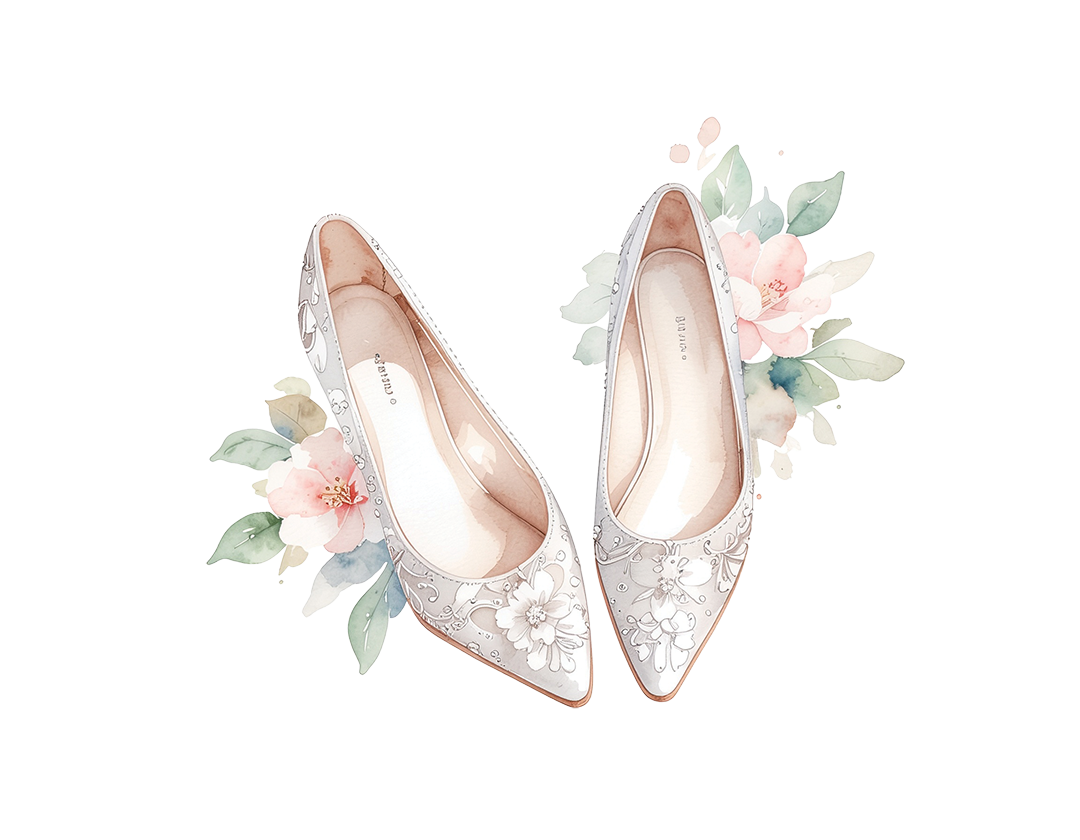
AND A SIXPENCE IN HER SHOE... is the rest of that old saying. Traditionally, a coin was given to her by her father to put in her shoe to symbolize good health and wealth for the couple.
“YOU MAY KISS THE BRIDE” is believed to have originated in ancient Rome where a kiss was used to seal legal agreements. Today, it signals the end of the ceremony and getting the party started.
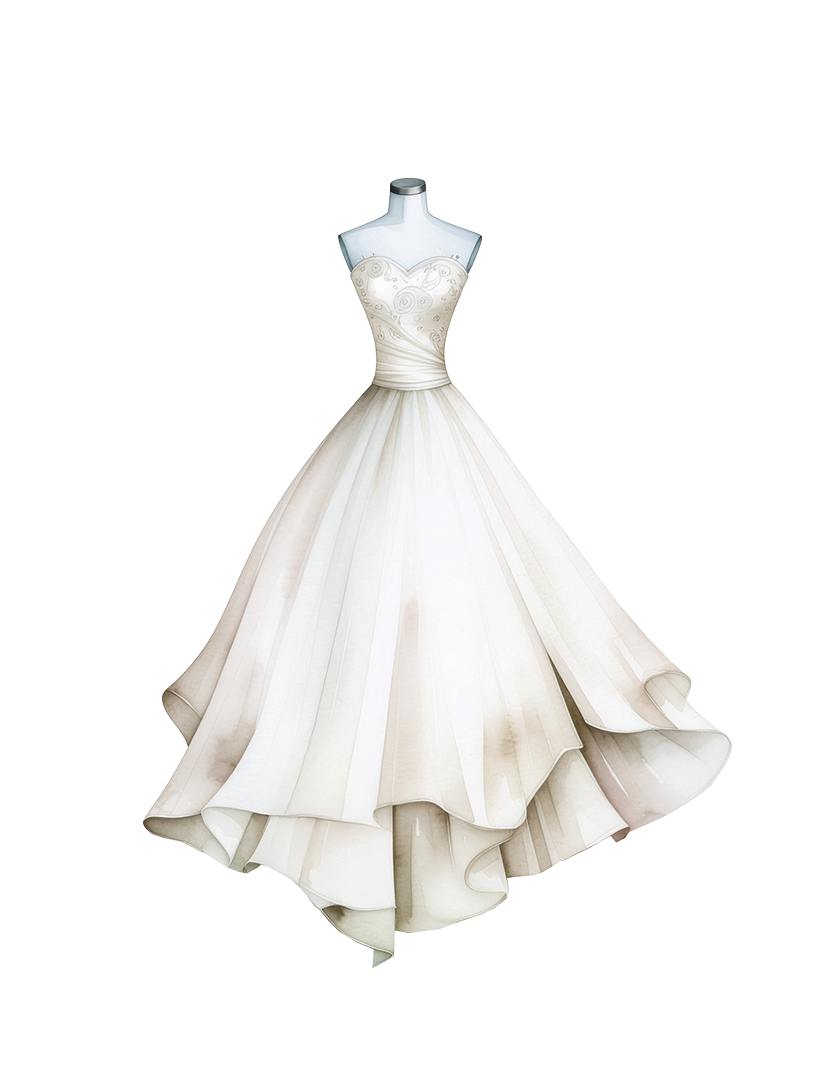
A WHITE WEDDING DRESS is again attributed to the marriage of Queen Victoria and Prince Albert. Prior to their nuptials, brides simply wore their Sunday dresses which were either bright or dark colors. It’s said that she selected white not so much as a symbol of purity, but as a way of showing off the delicate handmade lace of the gown.
CUTTING THE CAKE TOGETHER... The two of them guiding the knife together through the cake represents their first shared task as husband and wife and has them working as a team. Feeding each other the cake represents a lifelong commitment to provide for and care for one another. Another cake tradition is freezing the top layer to eat on their first anniversary.
TOSSING RICE AT THE COUPLE represents fertility and prosperity. Coming as it does when they leave the church is a way of wishing them best wishes and good luck.
THROWING THE BRIDAL BOUQUET likely stems from medieval Europe when it was believed contact with the bride brought good luck. Back then guests went so far as to tear pieces from the bride’s clothing. Tossing a bouquet redirected the practice into something symbolic.
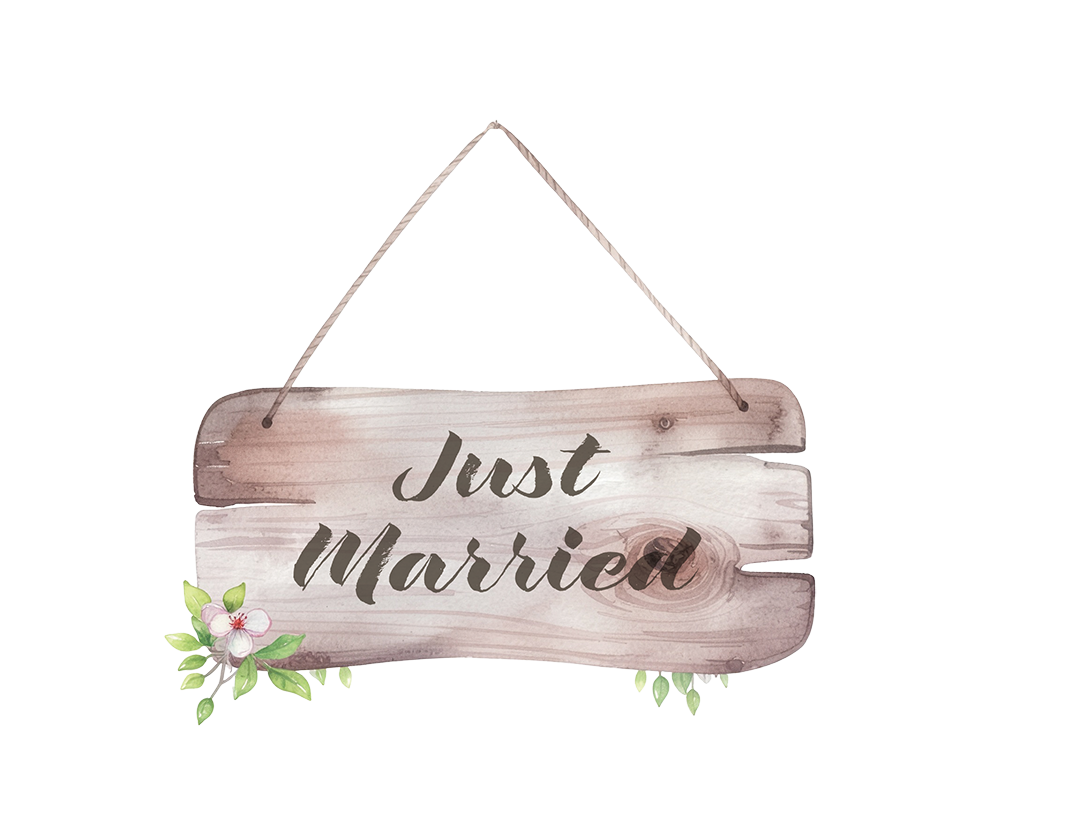
MAKING A GRAND EXIT... ’Just Married’ signs on the car and tin cans tied to the bumper used to be more popular. Perhaps it’s time to bring back this tradition.